
I prefer to use coconut milk instead of regular milk because it contains no sugar; milk contains a hefty dose of lactose. While I do not have any sensitivity to dairy, I’ve noticed that drinking lots of milk causes me to gain weight. For this reason, I do use organic milk during periods in Substance abuse which I’m trying to gain muscle and strength. Type any fruit or vegetable into Google followed by “superfood,” and you’ll find an article extolling its benefits. Instead of obsessing about which produce is the trendy superfood of the week, I eat whole foods and make a smoothie every morning.

Liver Detox With Lime Juice
- It’s common for people who drink liquor for a long time to need more vitamin B and vitamin A in their systems.
- Instead, focus on consuming soups and other liquids to replenish nutrients and keep yourself hydrated.
- Additionally, the adaptations that the brain develops disrupt crucial neuropathways, decreasing neurotransmitters and their ability to move normally through the brain.
- The adrenal and endocrine systems may fluctuate in their production of hormones creating mood inconsistencies.
- The Reframe app equips you with the knowledge and skills you need to not only survive drinking less, but to thrive while you navigate the journey.
Whole grains, sunflower seeds, legumes, yogurt, and poultry are known to contain cysteine, or you can look for a supplement (more on this below). Inflammation primarily occurs when your body attempts to defend itself from diseases, but alcohol use can also be a source of inflammation. The more alcohol you consume, the more regularly your body is in a state of inflammation, which can cause issues with the liver, brain, intestines, and more. Inflammation can be especially impactful in the intestines, as the harmful components of alcohol can leak from the organ, which becomes weaker as drinking continues.
Can a Urine Drug Test Show How Much You Take: Key Insights Explained
Furthermore, maintaining proper hydration levels can positively impact mood regulation, fostering a more optimistic and receptive mindset during recovery. One critical nutrition and recovery tip is to consider not only what you’re eating, but also how and when. Intermittent fasting means you’ll only eat one alcohol recovery diet or two meals a day, restricting these meals to certain time periods.
How Long Can You Stay in Inpatient Rehab?
Remember, every step taken towards a healthier diet contributes significantly to the success of an alcohol detox meal plan. By focusing on nutrient-rich foods, individuals in recovery can replenish vital nutrients, stabilize blood sugar levels, and minimize cravings. A well-rounded diet can also provide the necessary support for the body’s detoxification processes and help manage stress and anxiety, which are common during the recovery journey. Integrating a variety of fruits and vegetables into the diet is crucial during alcohol detoxification. These natural food sources are rich in essential vitamins, minerals and antioxidants, which are vital for replenishing the body’s depleted resources due to alcohol misuse. Specific fruits and vegetables, especially those with high water content, can significantly aid the body’s recovery process.

How Hydration Helps With Alcohol Detoxification
Your diet can also impact neurotransmitter levels and function and gut bacteria. The best approach to creating a nutritional plan during alcohol recovery is to consult a nutritionist who can provide personalized guidance that will work best for you and help you meet your goals. A nutritionist can help you address specific dietary needs, establish regular meal patterns, achieve portion control and help meet many other important nutritional needs.
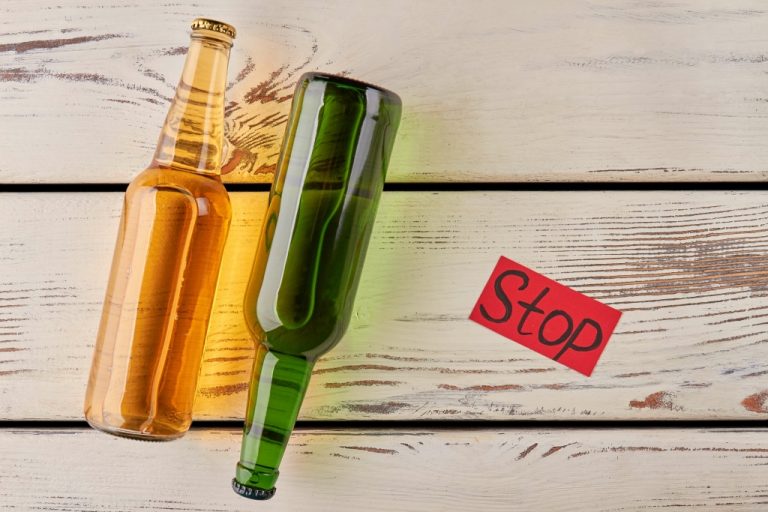
Best Foods and Supplements for Recovery
Vitamin B complex, particularly B1 (thiamine), is crucial due to its involvement in brain function and prevention of disorders like Wernicke-Korsakoff syndrome. Vitamin C is another vital nutrient that helps combat oxidative stress caused by alcohol consumption and aids in boosting the immune system. Dietary fiber aids in digestion and can help regulate blood sugar levels, contributing to reduced cravings for alcohol. The B vitamins found in whole grains, such as thiamine and folate, are particularly important for those in detox, as alcohol misuse can lead to severe deficiencies in these nutrients.
- Inflammation primarily occurs when your body attempts to defend itself from diseases, but alcohol use can also be a source of inflammation.
- Use these tips, along with a consultation with your personal healthcare provider or dietician for more personalized guidance on this matter.
- Sunflower seeds can be enjoyed as a snack or added to salads and other dishes for extra texture and flavor.
- Even if water hasn’t been a big part of your life before, make sure it is now.
- It is packed with antioxidants that help combat free radicals and protect the body’s cells from damage.
Embarking on an alcohol recovery journey is a significant step that requires not only personal commitment but also professional guidance and support. They understand the complexities of nutritional deficiencies common in those recovering from alcoholism and can develop meal plans that address these issues. Professional guidance and support are indispensable in the alcohol recovery diet. Recovering from alcohol dependency can be facilitated by consuming a balanced diet that includes essential foods to nourish the body and provide energy while undergoing alcohol detoxification. By incorporating lean proteins, whole grains, and nuts and seeds into your alcohol detoxification diet, you provide your body with the essential nutrients it needs to repair and recover. Remember to consult with a healthcare professional or nutritionist to create a well-balanced and personalized meal plan that suits your specific detox needs.